Heat in Tucson is not constant, but wear on HVAC systems is. Contractors and homeowners who treat the months between high-use seasons as dead time often pay for it when a record summer arrives or a cold snap hits. Off-season service is where you get durable performance, lower emergency call volume, and better control over costs. Below I lay out practical, on-the-ground practices for homeowners and property managers searching for "HVAC service near me" or "AC repair in Tucson," with concrete steps, examples, and honest trade-offs based on years in the field.
Why off-season service matters here Tucson summers are long, but that makes the shorter off-season window disproportionately valuable. When an AC unit sits idle for a few months, refrigerant pressures change, seals can dry, and mice or birds find crevices to nest in. Technicians have more schedule flexibility in the spring and fall, which often means faster appointments and lower labor rates. Booked emergency AC repair near me in July can be costly; preemptive maintenance in November or February cuts that risk.
Think of off-season service as preventive medicine. A technician who inspects, cleans, and addresses weak components now can keep a system reliable for another season or more, and in many cases reduce energy bills by 5 to 15 percent. For homeowners weighing repair versus replacement, a well-documented off-season service history makes the decision easier and can preserve equipment value when a full AC installation in Tucson becomes unavoidable.

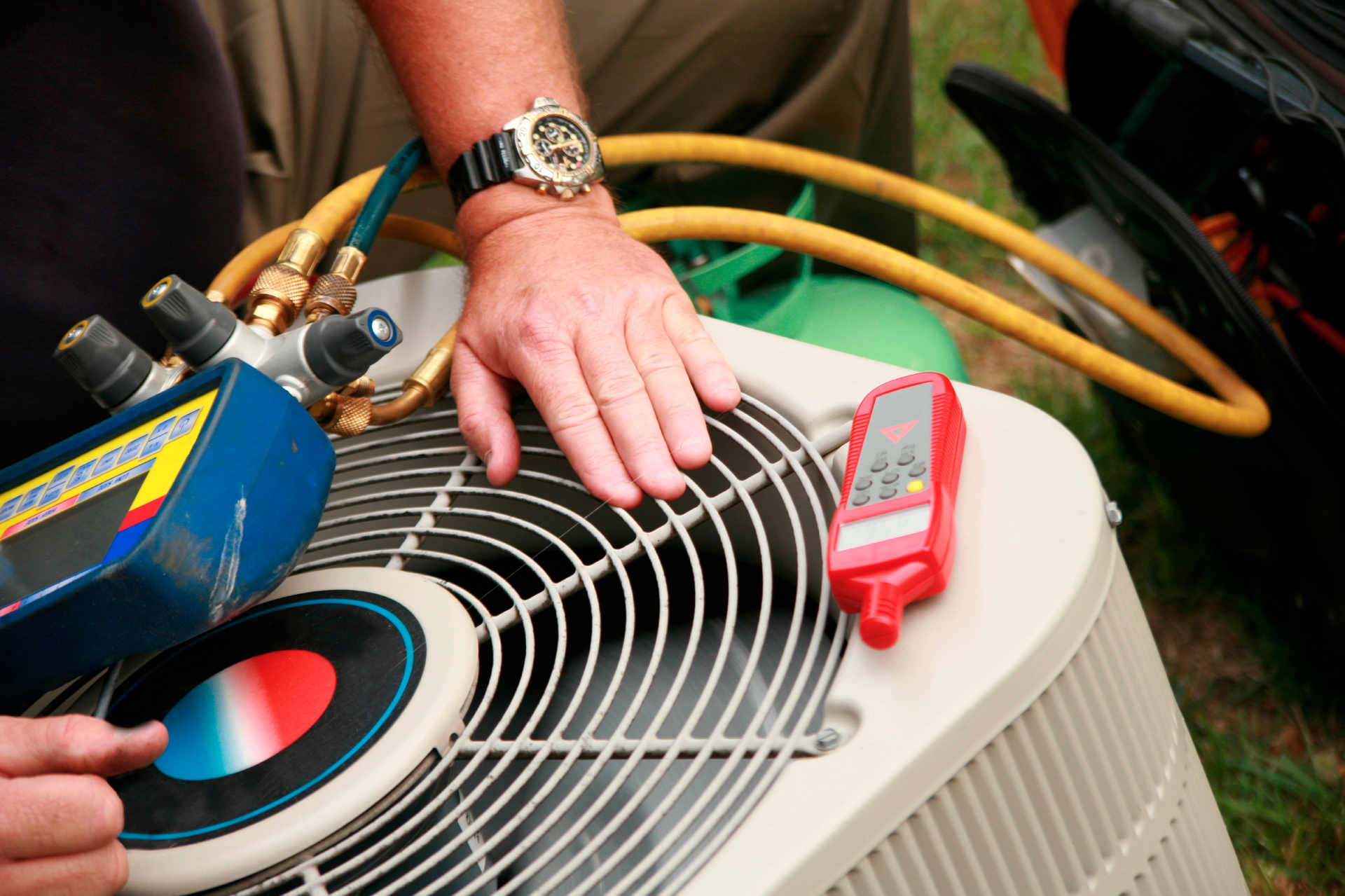
What a quality off-season visit looks like A standard, useful visit runs longer than a quick filter swap. Plan on 60 to 90 minutes for a single-family central unit when the tech is thorough. The essentials are: visual inspection, electrical checks, refrigerant assessment, condensate line service, airflow verification, and cleaning. Beyond that, an informed technician will test controls, document past failures, and offer a realistic estimate for parts that will likely fail in the coming months.
Practical checklist to ask for during an off-season visit
- confirmation that the technician visually inspected both indoor and outdoor units and took photos of any corrosion or rodent damage measurement of refrigerant pressures or a statement that pressures were within manufacturer tolerance verification that motors and bearings were checked and lubricated where applicable cleaning of the evaporator coil if it shows buildup, and clearing the condensate drain line an itemized list of recommended repairs with urgency levels and cost ranges
If a provider resists giving measurements or documentation, be cautious. Transparent shops that provide written findings and photos reduce guesswork and make warranty or future claims simpler.
Routine maintenance actions and why they matter Air filters: Replace or upgrade filters to at least MERV 8 for common homes, higher for allergy-sensitive households. Filters cost between about $8 and $30 apiece, but installing the right one monthly during heavy-use periods and at off-season service time keeps coils cleaner and reduces blower strain.
Coil cleaning: Indoor evaporator coils are notorious for trapping dust and organic material. A dirty coil reduces heat transfer, forcing the system to run longer. For units that have not had coil service in two years, plan on professional cleaning. DIY coil cleaning can work for minor dust, but avoid harsh chemicals and do not bend fins.
Refrigerant check: Low refrigerant is rarely a normal loss. If a technician finds pressure below specification, it signals a leak. If you encounter this during an off-season visit, insist on a leak search and a repair estimate. Adding refrigerant as a stopgap without fixing leaks is a recurring expense and can accelerate component wear.
Electrical and control checks: Loose connections, corroded terminals, and weak contactors are common failure points. A cracked contactor can lead to a dead condenser in 100-degree heat. During off-season service, ask technicians to thermally image or at least manually inspect connections and replace marginal parts now rather than waiting for failure.
Condensate management: Even when the AC is idle, condensate traps can dry out and allow sewer gas or insects to enter. Clear and test the drain and trap. For homes with frequent clogging, adding a trap primer or installing a secondary drain pan with a float switch provides passive protection and a warning before water damage occurs.
When to repair, when to replace, and how age matters There is no single formula, but a few rules of thumb help. For systems under eight years old, repairs often make sense. Between eight and 12 years, weigh repair cost against the expected life of the replacement and the efficiency gain from a modern unit. Above 12 years, replacement is frequently the better financial and performance choice, particularly if you plan to stay in the home for more than five years.
An example: a 10-year-old 3-ton split system with a failing compressor will likely cost 40 to 60 percent of a new system to repair, depending on warranty and part availability. If the existing system has a SEER rating under 13, replacing it with a high-efficiency model could cut cooling energy use by 20 to 40 percent, which affects long-term cost calculations.
Ask for whole-project pricing. Reputable HVAC contractors will provide both a repair option and a replacement option, with estimated life expectancy and payback in energy savings. When a seller tries to push immediate replacement without showing clear, documented failures, get a second opinion.
Selecting the right HVAC company near me Local knowledge matters in Tucson. Firms familiar with our dust, monsoon patterns, and temperature swings will recommend practical installations such as sloped condensate pans, raised pad heights, and protected outdoor coil locations. Look for these traits in a contractor: local licensing and insurance, clear warranty policies, references within your neighborhood or HOA, and technicians certified by established trade groups. Plunkett Home Services, for example, advertises local service and can be a resource if they have availability; use references and recent customer reviews rather than ads alone.
A few red flags: vague quotations, unwillingness to provide written scope, and pressure to sign immediately for discounts that supposedly expire the same day. Good companies offer seasonal promotions but still explain the work and let you https://elliotzzma731.trexgame.net/how-to-prepare-your-family-for-an-hvac-repair-visit-in-tucson decide. When searching for "HVAC repair" or "HVAC contractor," prioritize firms that show up with proper vans stocked for common jobs and carry digital documentation of their tests.
Negotiating price and scheduling strategically Off-season is the best time to negotiate. Technicians are less rushed, and many shops offer lower rates or bundled maintenance plans. Instead of asking only for the lowest price, ask for value: will the company include a limited warranty on parts and labor for repairs? Do they offer priority scheduling for future emergency AC repair near me calls? A small annual fee for a maintenance contract can buy same-day summer callbacks and cheaper hourly labor.
If you manage multiple properties, schedule block bookings during a month like March or October. Many HVAC contractors will provide volume discounts or include extras such as air balance testing, thermostat upgrades, or priority service on replacement work.
Emergency planning and backup options Even with diligent off-season service, emergencies happen. Identify and document three quick options: a preferred HVAC company that offers emergency service, a nearby independent technician, and a rental or temporary cooling plan. For example, during an extended outage you'll need to know where a portable AC can be rented or how to cool critical rooms. For seniors or medically vulnerable occupants, install a hard-wired carbon monoxide detector and maintain a list of phone numbers and warranties so a technician can act fast.
If a contractor cannot provide emergency guarantees, ask whether their response time historically averages under four hours in summer peak, and get that promise in writing if possible. A commitment like that reduces stress and clarifies expectations for both sides.
Air quality and related upgrades worth considering Off-season visits are excellent moments to install or upgrade components that do not require system downtime. Adding a UV light to reduce microbial growth on the evaporator coil, sizing and installing a new programmable or smart thermostat, or fitting a whole-house dehumidifier are common upgrades in Tucson homes where dust and humidity can vary seasonally.
When considering upgrades, inspect ductwork before final decisions. Leaky ducts can negate the efficiency gains of a new system. A brief duct leakage test or at least a professional walkthrough can surface major issues. In some cases, sealing major leaks returns more benefit than a higher-efficiency condenser.
Record keeping and warranties Keep a bound log or a digital folder with photos and dates for every service visit. Include technician names, serial numbers, and parts changed. Many warranties require documentation to remain valid. When a homeowner called last summer with compressor failure, their off-season photos showing an unsealed conduit allowed a technician to document rodent damage and get a partial warranty claim honored. Documentation matters.
Common edge cases and how to approach them Older homes with nonstandard duct sizes often need airflow tuning rather than simple replacements. If a new SEER 16 unit is installed on undersized ducts, the compressor still struggles and cycling increases. Consider duct resizing or a variable-speed blower to smooth performance.
Condensing units installed too close to a property line or in direct sunlight can suffer higher ambient temperatures. Relocation is possible in some cases but adds cost. Evaluate whether shading, a raised pad, or a modest relocation offers the best balance of performance and expense.
Newer mini-split installations have different maintenance needs compared with traditional split systems. Line-set insulation, outdoor unit refrigerant access, and indoor unit mounting details should be checked during the off-season to catch installation defects early.
Why trust the off-season, not a single annual visit A single service once a year helps, but the optimal cadence in Tucson often looks like an off-season full inspection and a light midseason check on filter and condensate function. That splits risk, catches early failures, and keeps labor predictable. For high-use homes with elderly occupants or heavy occupants, twice-yearly checks are worth the peace of mind.
Final persuasion: invest small now to avoid big emergencies later Scheduling HVAC service near me during the off-season is not just convenient, it is cost effective and protective. A few hundred dollars for proactive work can save thousands in emergency compressor replacements, water damage mitigation, or reduced home comfort. Ask for documented checks, measurable tests, and a clear sense of urgency for any findings. When a trusted local contractor like Plunkett Home Services or another reputable HVAC contractor lists full diagnostics and photos as part of their visit, you are buying certainty, not just a sticker price.

If you want, provide your system make, model, age, and a few photographs of the outdoor unit and attic access. With that information I can flag likely trouble spots and suggest what to prioritize at your next off-season service call.
Plunkett Home Services
3144 E Fort Lowell Rd, Tucson, AZ 85716, United States
+1 (520) 808-2743
[email protected]
https://callplunkett.com/